


the smarter strength
training blog
Welcome to the Smarter Strength Training blog, where I will answer your questions, keep you up to date with the latest fitness news, and help you cut through the noise with straightforward support on your fitness journey.
Throughout my career as a personal trainer, I have seen many fads come and go, but one thing that has remained constant is the importance of a balanced and sustainable approach to fitness. I strongly believe that fitness should be enjoyable and accessible to everyone, and my goal with this blog is to inspire and motivate readers to make positive changes in their lives.
On this blog, you will find a wide range of content covering everything from exercise tips and workout routines to healthy eating advice and lifestyle hacks. Whether you are a seasoned fitness enthusiast or a complete beginner, my aim is to provide you with practical and actionable advice that you can use to achieve your health and fitness goals.
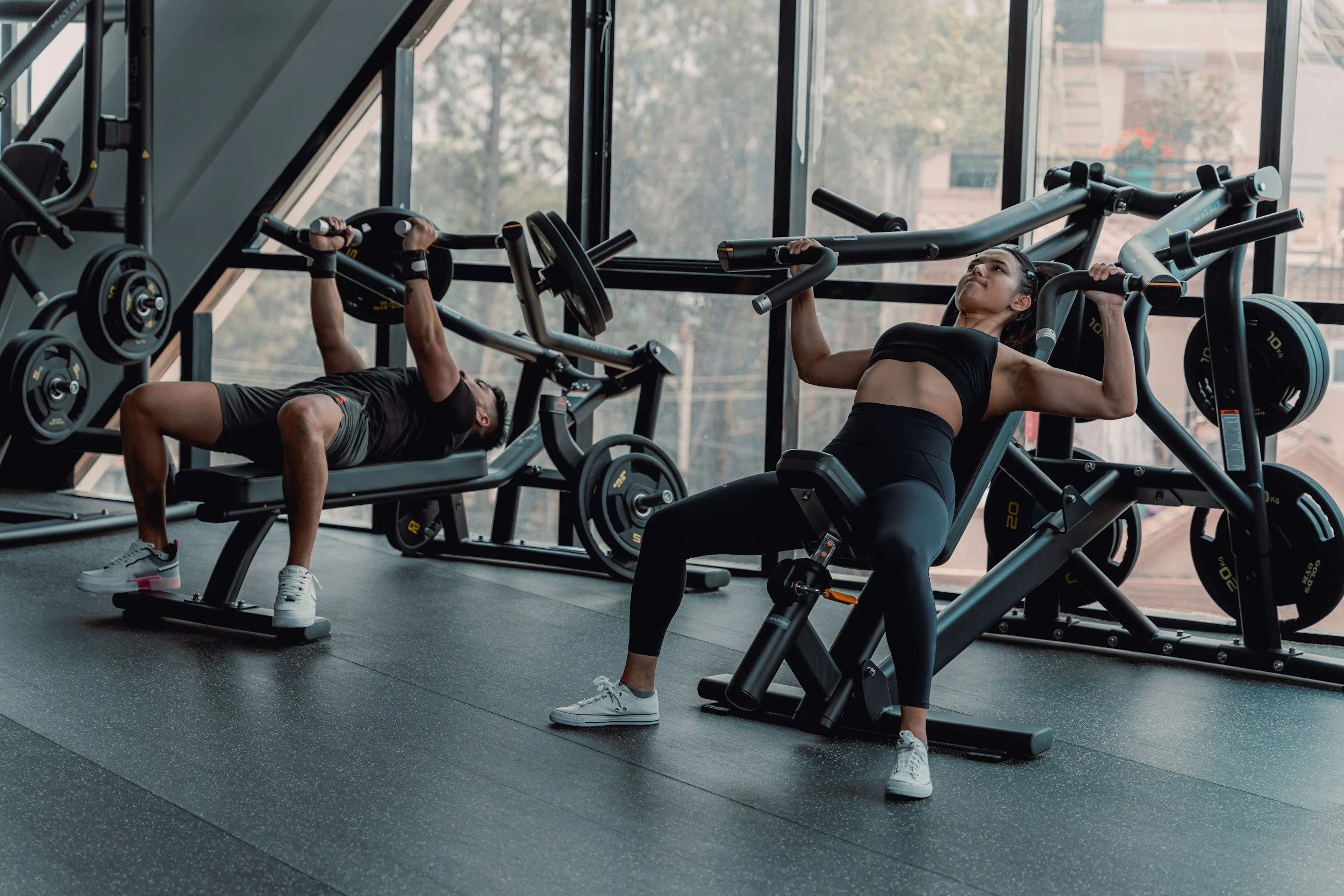
Should Teenagers Lift Weights? Debunking the Growth-Stunting Myth
Whether teenagers should lift weights is a common question, often surrounded by deeply held yet outdated beliefs. This topic warrants attention to align current scientific evidence with popular misconceptions.

The Power of the Pause: The Difference Between a Cheat Meal and a Diet Break
Both can offer a reprieve, but a diet break is a structured, planned pause in your diet, unlike a weekly cheat meal.

The Truth About "Cheat Meals": Are They Helping or Hurting Your Diet?
As a trainer for 23 years who leans on the evidence-based side of the industry, I've watched the concept of cheat meals, refeed days, and diet breaks come and go. Depending on who you follow, you've likely heard the expression.

Is Now the Right Time to Start a Diet?
Every new client asks this question, and it's one of the biggest success factors. Before starting a weight-loss phase, consider what challenges life may throw your way in the coming weeks and months.

Beyond the Burn: Should You Really Train to Failure?
The conversation around training to failure, or proximity to failure, has dominated fitness research and social media for years. While the general advice is well known, it often misses the nuances that determine whether pushing to the absolute limit helps or hurts your goals.
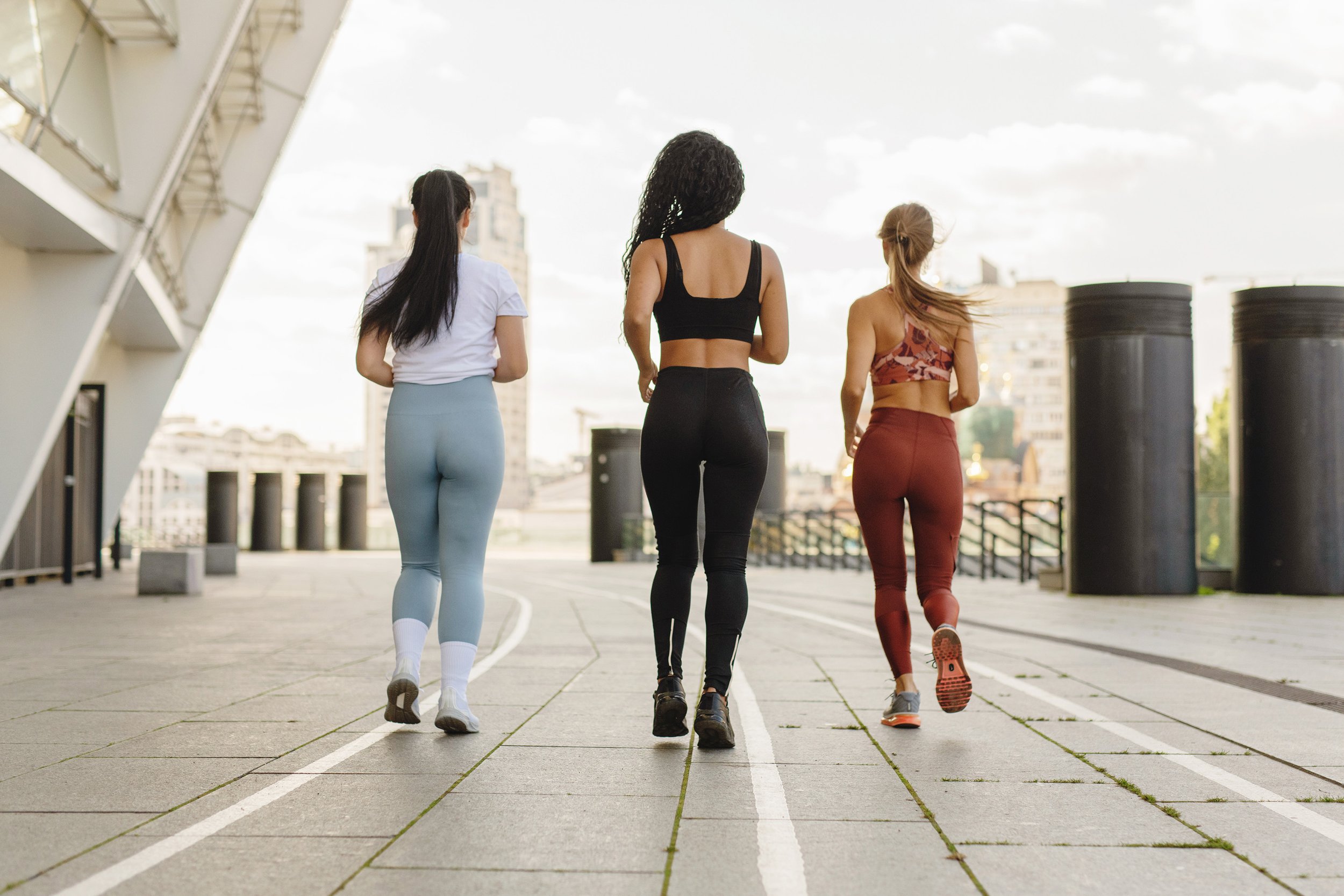
Is Running Inherently Bad For Your Knees? Unpacking the Truth
Running is the single most participated in fitness activity in the world, with over 100 million people engaging each year recreationally. If it were truly "inherently bad" for your joints, it wouldn't be nearly so popular.
When to Change Up Your Workouts (and How Much Variety You Actually Need)
It’s a common question: how often should you change your strength-training routine? The answer depends entirely on your primary training goal, as the need for exercise variety differs significantly between strength and hypertrophy (muscle building).
How to Keep the Weight and Fat Off: The Essential Guide to Maintenance
The dieting phase is over—you've reached your goal. But now you face the two biggest fears for anyone who's worked hard to lose fat and build muscle: How do you stop dieting and not regain the fat, and how do you hold onto your hard-won muscle gains?
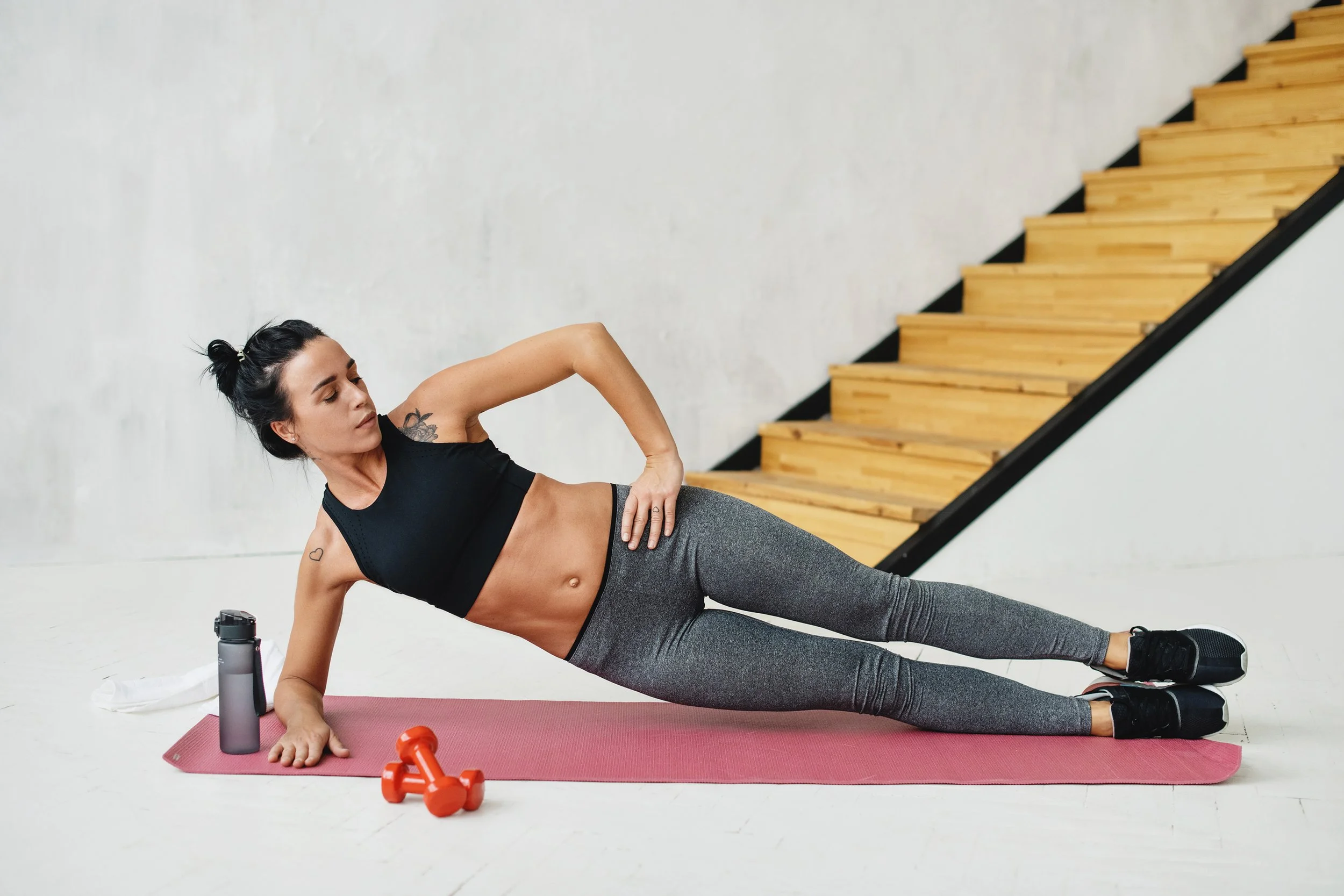
How to Keep Your Gains: A Guide to Maintaining Muscle and Strength When You Stop Training
The fear is real: you're going on a two- or three-week holiday, starting a new, demanding job, or beginning a new phase of life, like starting a family. You've worked incredibly hard to build strength and muscle, and the thought of losing it all (detraining) can be a major source of anxiety.
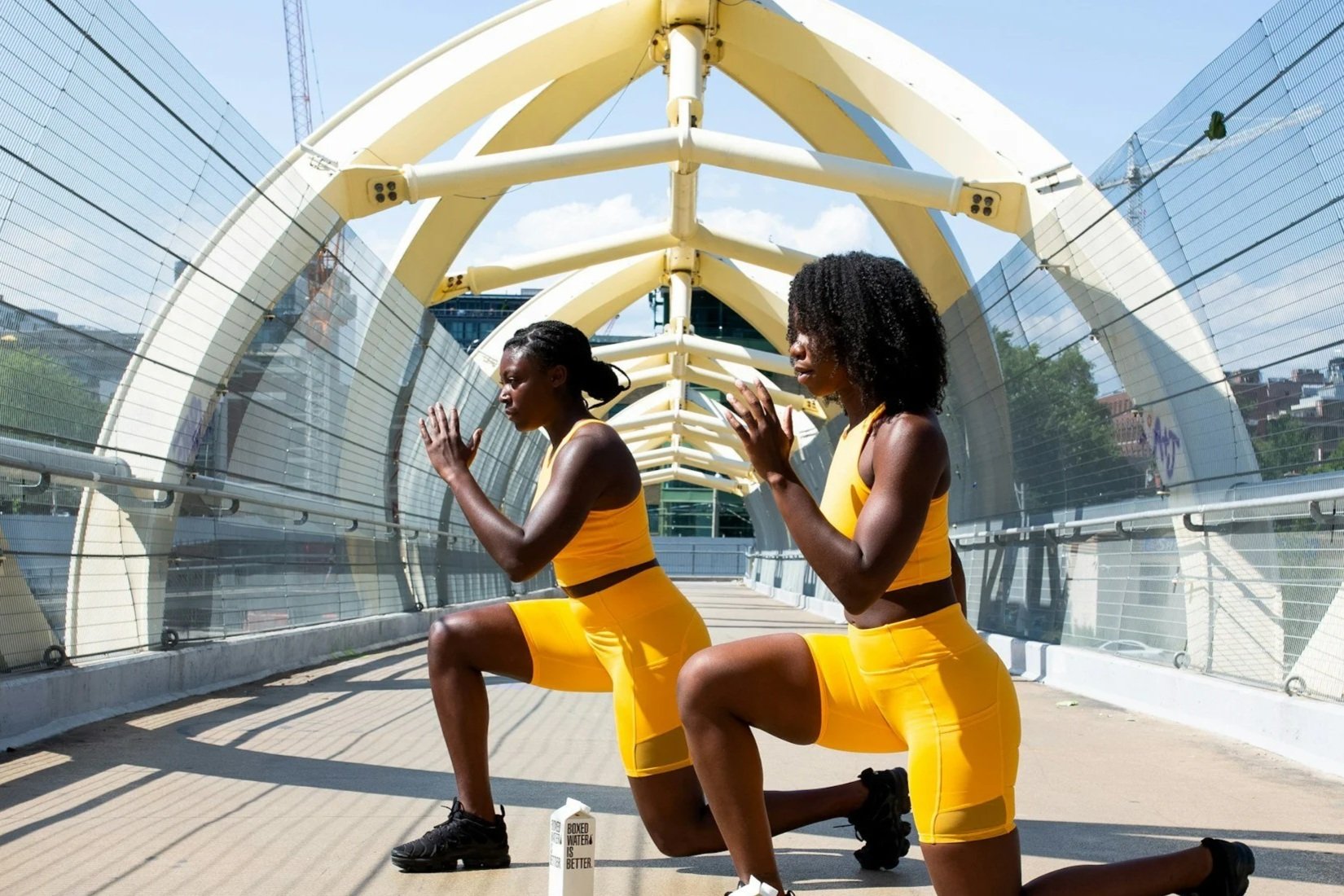
Do You Need to Be Obsessed to Get in Great Shape?
Someone recently suggested that you have to be “obsessed” to be in shape, and it’s a statement that deserves a closer look. While the idea of being in "great shape" is subjective, most people who start exercising aim for two things: losing fat and gaining muscle.
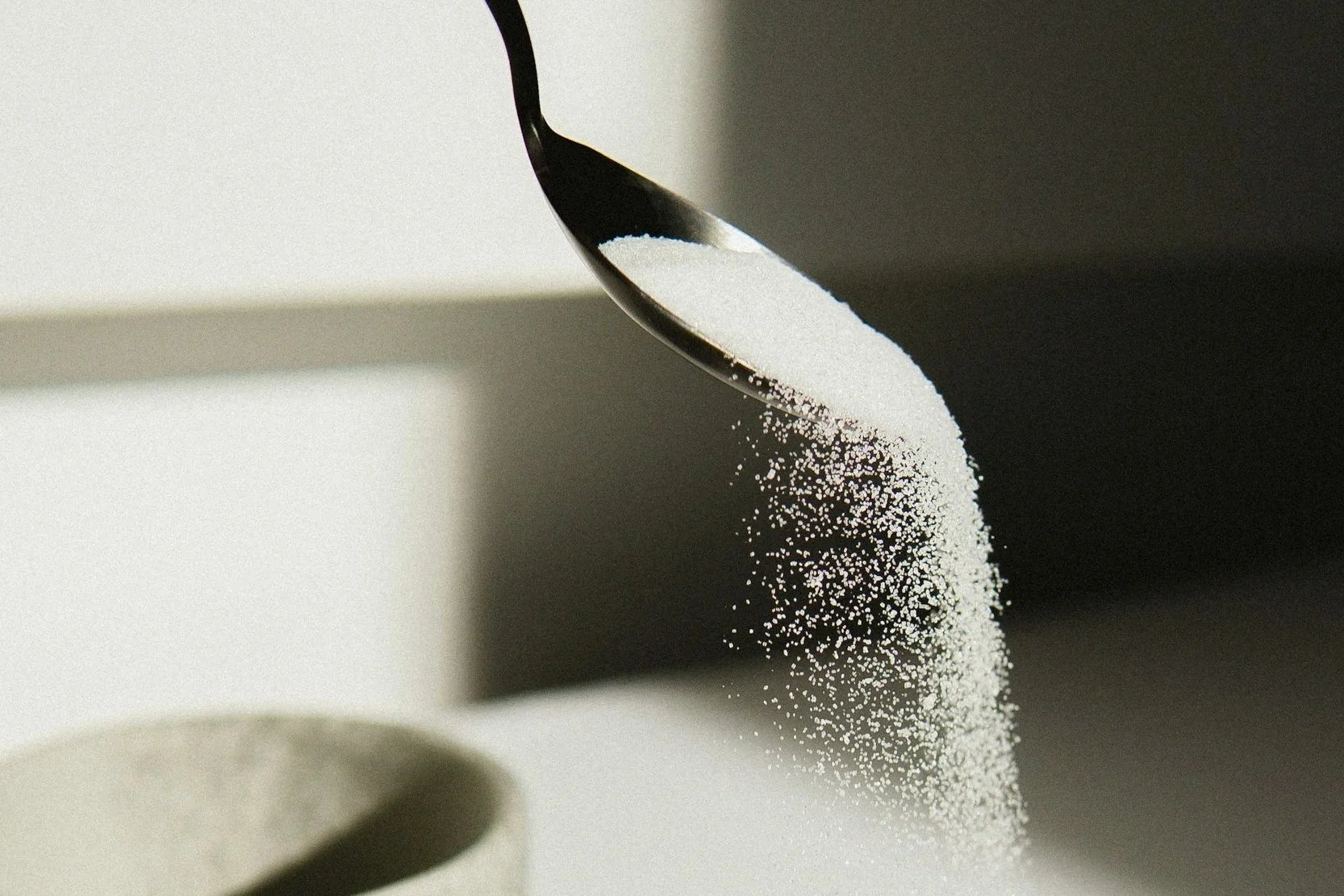
The Sweet Truth: Are Non-Nutritive Sweeteners Safe, Healthy, and Useful for Weight Loss?
In the current nutrition landscape, few topics spark as much debate and confusion as non-nutritive sweeteners (NNS). Thanks to social media, these sugar substitutes have become a hot-button issue. But amidst the noise, what does the research actually say about their role in weight loss, their health implications, and their overall safety?
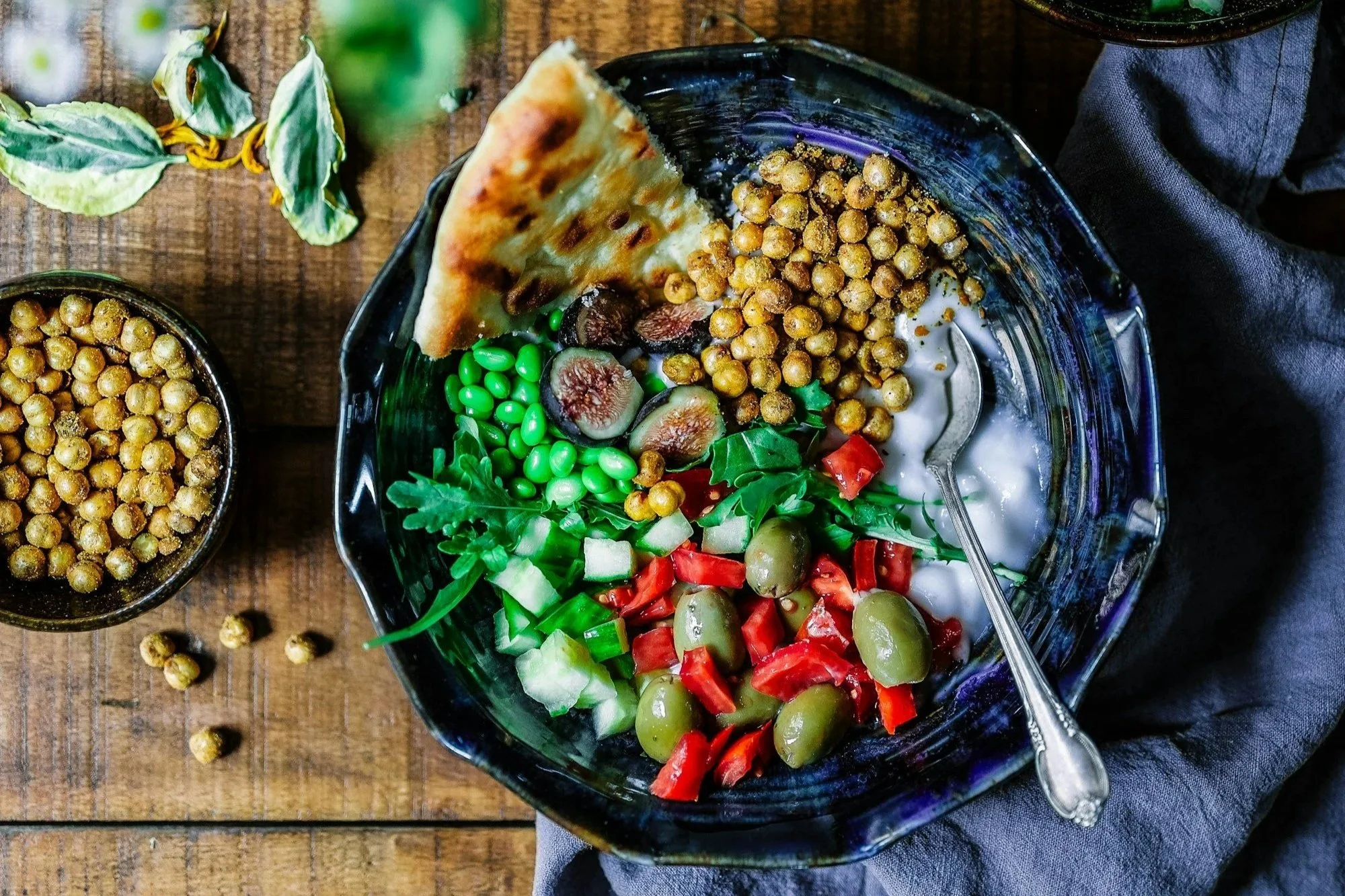
Should Women Train Fasted? Understanding the Nuance
There’s a rising interest in fasting, particularly its effects on exercise. However, much of the foundational research has been conducted on men, and emerging data over the last five years has revealed significant sex differences. This has led some to advocate for a blanket rule: women should not train fasted, or even fast at all.
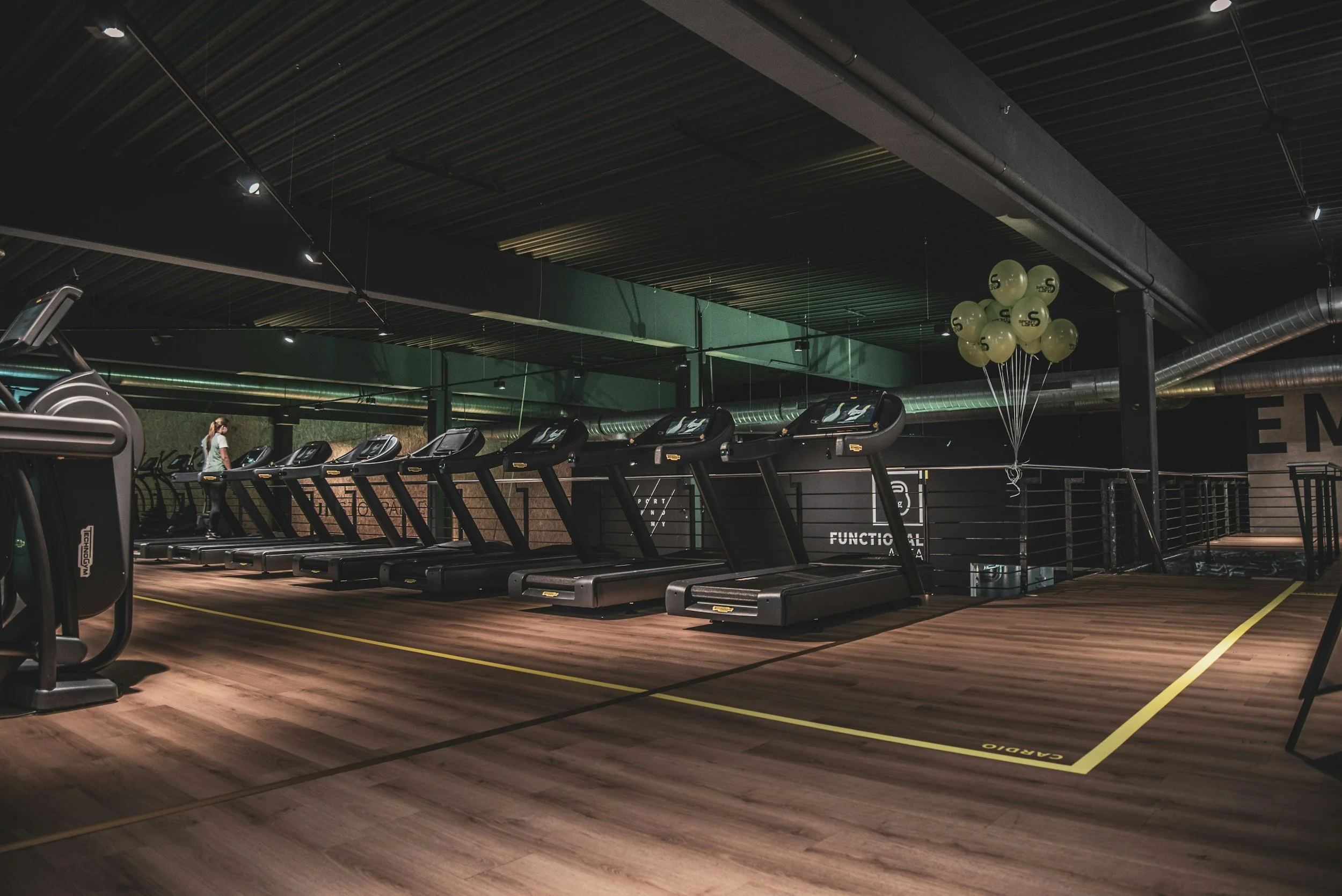
Gym Floor Anxiety: How To Overcome The Fear
It's 2024, and with social media and the popularity of gyms these days, they are much less intimidating and more inclusive than ever. But let's not beat around the bush – they are still quite intimidating places. As much as they have improved, I think we all feel it to some degree.

Fitness Beyond The Gym - How To Incorporate Movement Into Your Life.
The truth is, the modern world's biggest fitness challenge isn't a lack of intense gym workouts; it's simply a lack of overall movement. On average, people spend a staggering 6.5 to 9.5 hours a day sitting down – whether it's watching TV, working on computers, or scrolling through phones.

What You Think You Know About Muscle Soreness Is Wrong
I'm sure that you've heard that muscle soreness means you had a good workout. I'm also sure you've heard that when we train muscles, training creates microtears and microtrauma in our tissue, and that is how, in the repair process, we build new muscle. I'm also pretty sure you've put in a workout and been a bit disappointed because you weren't sore after the session. So, I want to break this down, discuss soreness, and explain to you why getting sore probably isn't something that you should be aiming for.
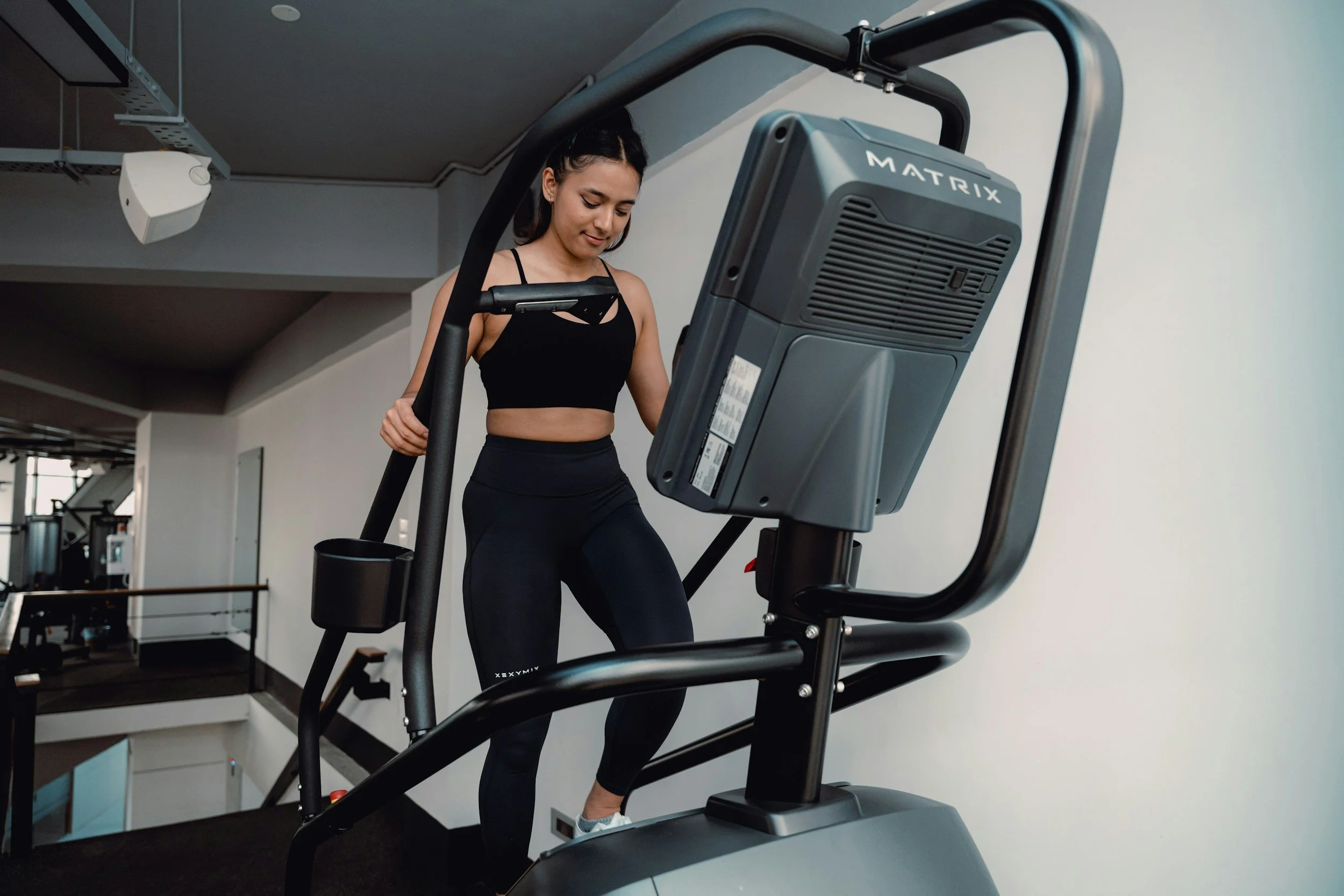
Does Doing Too Much Cardio Affect Someone's Ability To Build Muscle?
Firstly, the amount of energy required for cardio can be quite high, which could potentially limit resources for building muscle, a known energy-costly activity. Secondly, there's something called the "interference effect," where the pathways required for muscle building can be disrupted by cardio.

Can You Lose Weight Without Tracking Calories?
Working in this industry, primarily with women over 30, I've seen a large percentage of clients become obsessed with calorie-tracking apps. This obsession often leads to a fear of certain food groups and can even result in disordered eating behaviours. While I'm not saying calorie tracking directly causes these behaviours, the way nutrition is discussed on social media and in the media as a whole can tap into and exacerbate existing mindsets.
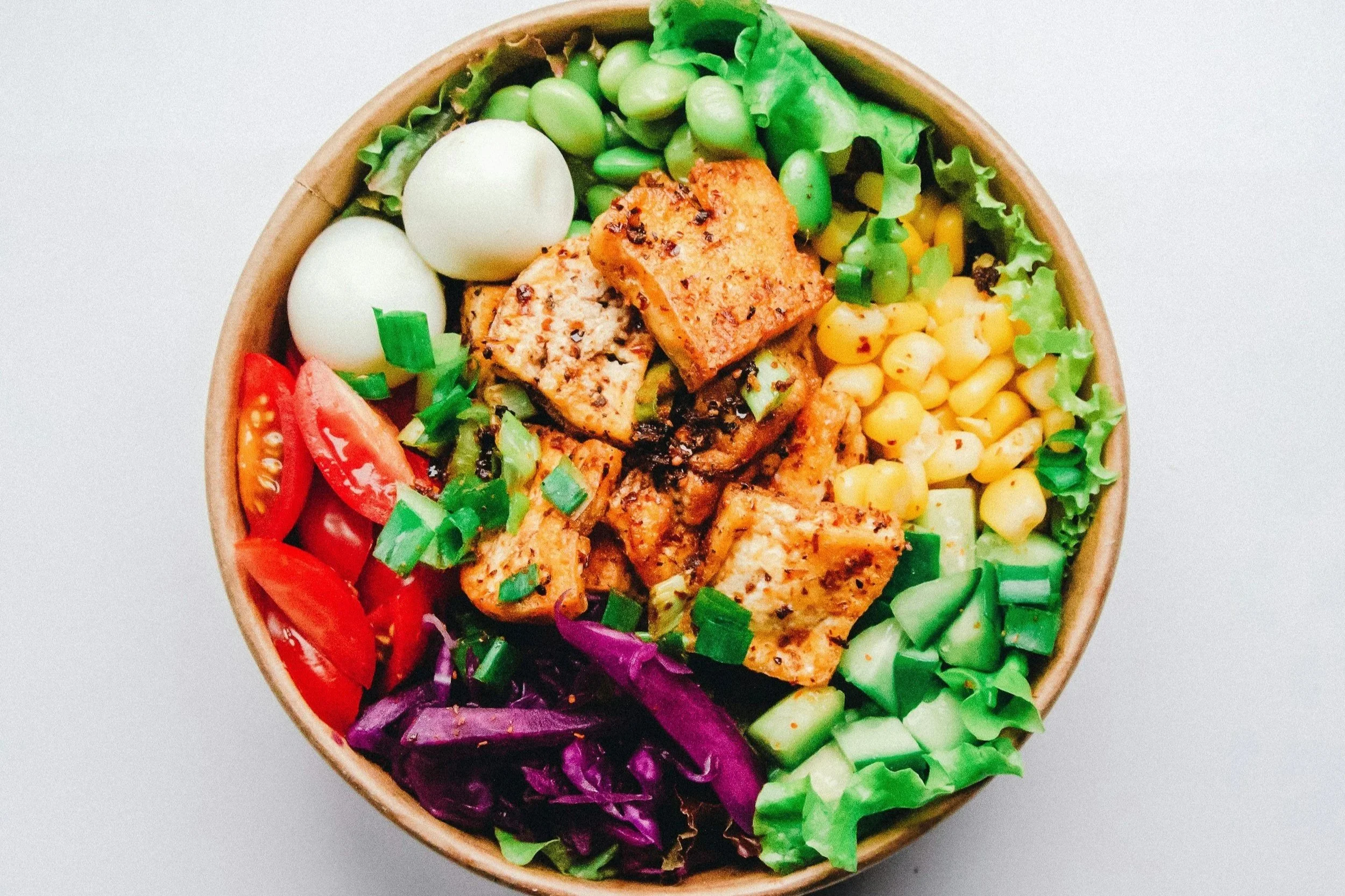
Do Calories Really Matter? Unpacking the Great Debate
Calories. Do they truly matter for weight loss, or is the "calories in versus calories out" model a myth, as some prominent figures suggest?

Reverse Dieting: Myth, Misconception, or Smart Strategy?
Reverse dieting is one of the most significant trends currently sweeping the fitness world. You hear claims that it can "boost metabolism," allow you to "eat more calories in the future," and even let you "continue to lose weight while eating more."

How To Create Your Own Strength Training Workout
Every week, I'm asked for examples of full-body, push, or upper-body workouts. At the same time, I do provide those; they're not always the most useful. If you train four times a week and only have one full-body workout example, what are you doing the rest of the time? Have you developed a balanced approach to your overall training?
The SMART STRENGTH TRAINING PODCAST
New episodes come out every other week, featuring a friendly and easy-to-follow approach to training, nutrition, mindset, and handy tips for staying consistent and seeing real results. The Smarter Strength Training Podcast offers expert advice while clearing up the confusion around fitness information. No matter if you're a gym veteran or just starting your journey, this podcast is here to give you the tools you need to become a stronger, fitter, and healthier version of yourself.
