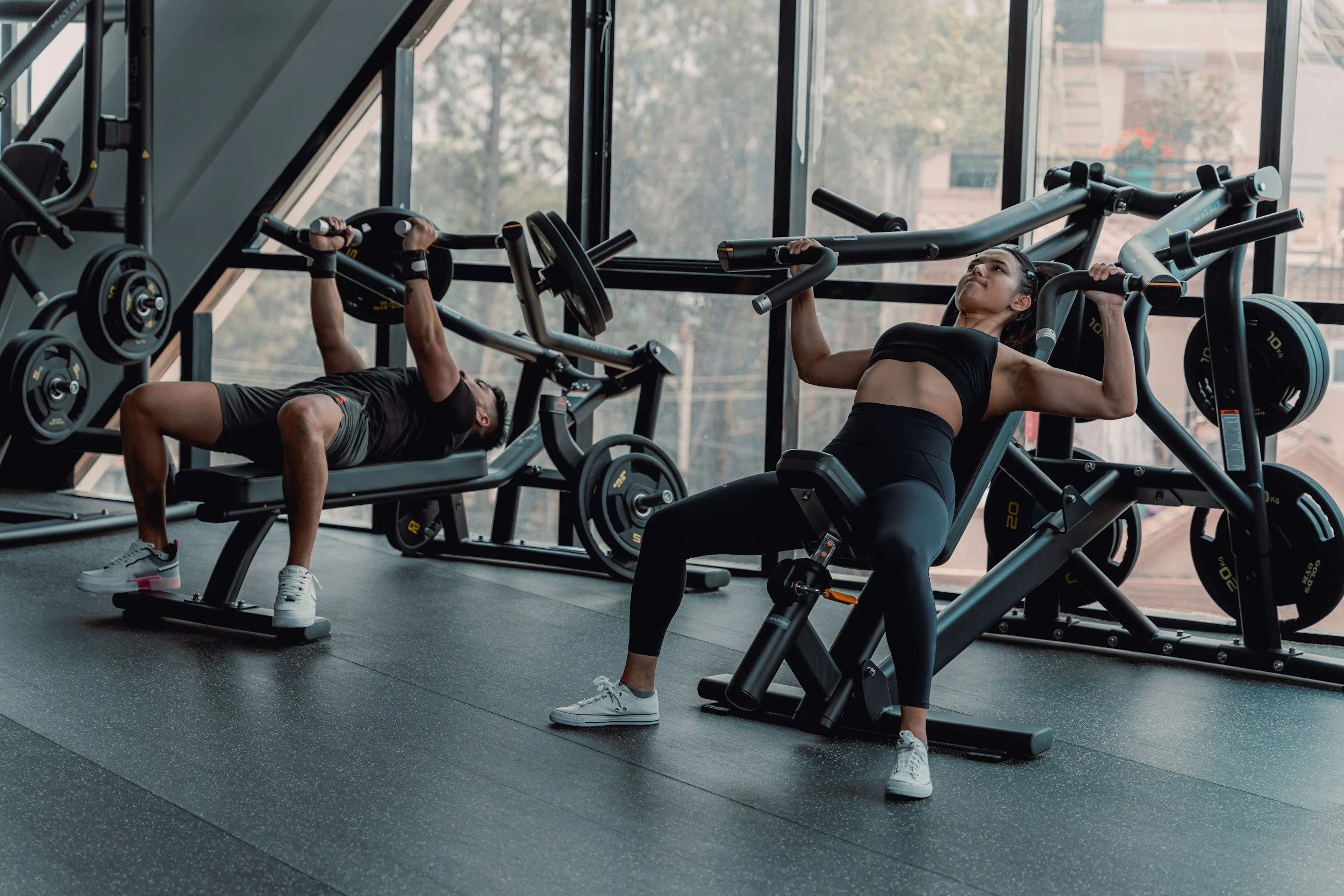
Should Teenagers Lift Weights? Debunking the Growth-Stunting Myth
Whether teenagers should lift weights is a common question, often surrounded by deeply held yet outdated beliefs. This topic warrants attention to align current scientific evidence with popular misconceptions.
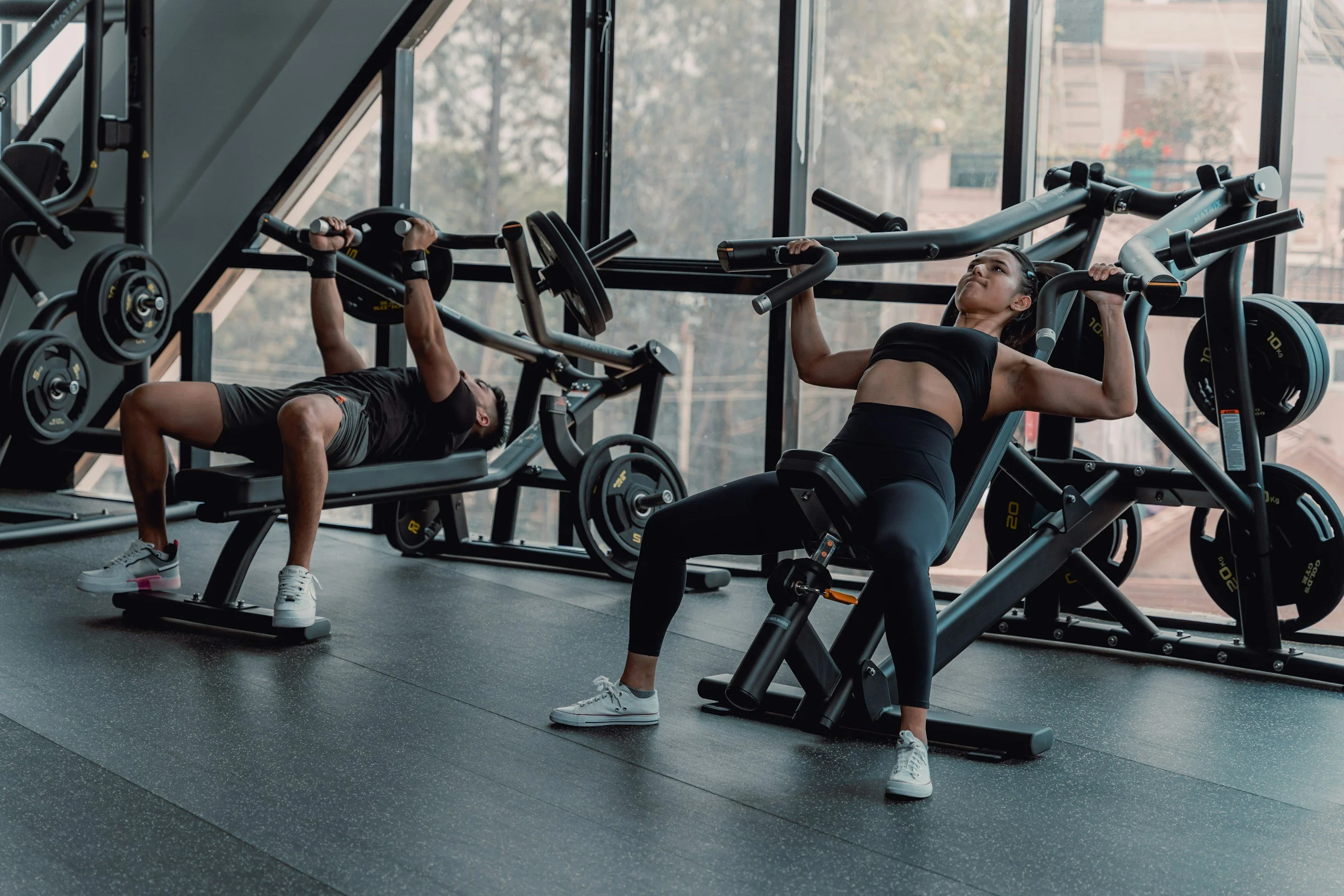
The Myth: Resistance Training Stunts Growth
The central and most persistent myth is that resistance or strength training can stunt a child's growth.
This misconception stems from a misunderstanding of growth plates, also called epiphyseal plates. These are areas of softer, more flexible tissue at the end of long bones where bone is produced, contributing to a person's height. Because they are softer, growth plates are more easily injured.
Early research on growth plate trauma in sports like weightlifting led to the belief that resistance training was inherently dangerous and could prematurely close the growth plates, halting growth. However, a deeper look at this early data shows the injuries were primarily from:
Improper use and programming.
Heavy loads beyond the athlete's capability.
Unsafe equipment.
These injuries were often "freak accidents" and did not reflect injury rates across all participants.
The Evidence: Supervised Strength Training is Safe
Recent research, including a 2023 systematic review, has clarified the issue, showing that when appropriately supervised, strength training poses no risk to a child or adolescent's growth plates or overall health.
In fact, the data show that the injury rates for resistance training are significantly lower than for many popular contact and high-impact sports:
Activity // Injury Rate (per 100 hours)
Resistance Training // 0.053 to 0.176
Rugby // 0.65 to 1.06
Contact sports involving repetitive jumping or direct blows (like basketball and rugby) have much higher injury rates. For resistance training, most injuries come from poor supervision, inadequate equipment, or improper programming.
Another Concern: Will They Get Too Bulky?
Another concern is that weightlifting will cause children to "bulk up" or build excessive muscle, which some believe will affect mobility.
Research on pre-pubescent children shows limited evidence of hypertrophy (muscle growth). While children can certainly get stronger, hypertrophy is much less pronounced due to lower testosterone levels before puberty. Therefore, becoming excessively "bulky " is not a realistic concern.
Major Benefits of Resistance Training for Teens
Moving beyond the myths, there are significant benefits to incorporating resistance training early on:
Boosts Confidence
Instils lifelong habits around health and fitness.
Helps combat body image issues common in adolescence.
A potent tool against childhood obesity and metabolic disorders.
Encourages positive peer interaction in a structured environment.
Develops motor skills, proprioception, body positioning, and coordination.
Practical Recommendations for Teens Starting Out
Resistance training is a skill that requires proper motor skill acquisition, so supervision and correct technique are crucial.
Supervision is non-negotiable: An appropriately qualified coach or someone knowledgeable about exercise technique and loading should supervise sessions.
Start Light: Begin with lighter loads appropriate for higher repetitions, typically in the 12-15 rep range.
Focus on Technique: Technique should take priority over load. Progress gradually, improving movement skill as well as strength.
Rest: Children still need 2-3 minutes of rest between sets, though their overall recovery rates are often quicker than adults.
Progression: Once a base understanding of movement is established, alternate between pure strength work and power work, including faster movements like plyometrics and bodyweight exercises.
Getting stronger improves overall performance in various athletic components like agility, speed, and power, making it a foundation that complements, rather than replaces, sport-specific training.
In conclusion, when supervised and structured correctly, resistance training is 100% safe and highly beneficial for youth. The fear of stunting growth is unfounded, and the protective benefits—both physical and psychological—make it a valuable activity.
Like this post? There’s more where that came from