The Sweet Truth: Are Non-Nutritive Sweeteners Safe, Healthy, and Useful for Weight Loss?
In the current nutrition landscape, few topics spark as much debate and confusion as non-nutritive sweeteners (NNS). Thanks to social media, these sugar substitutes have become a hot-button issue. But amidst the noise, what does the research actually say about their role in weight loss, their health implications, and their overall safety?
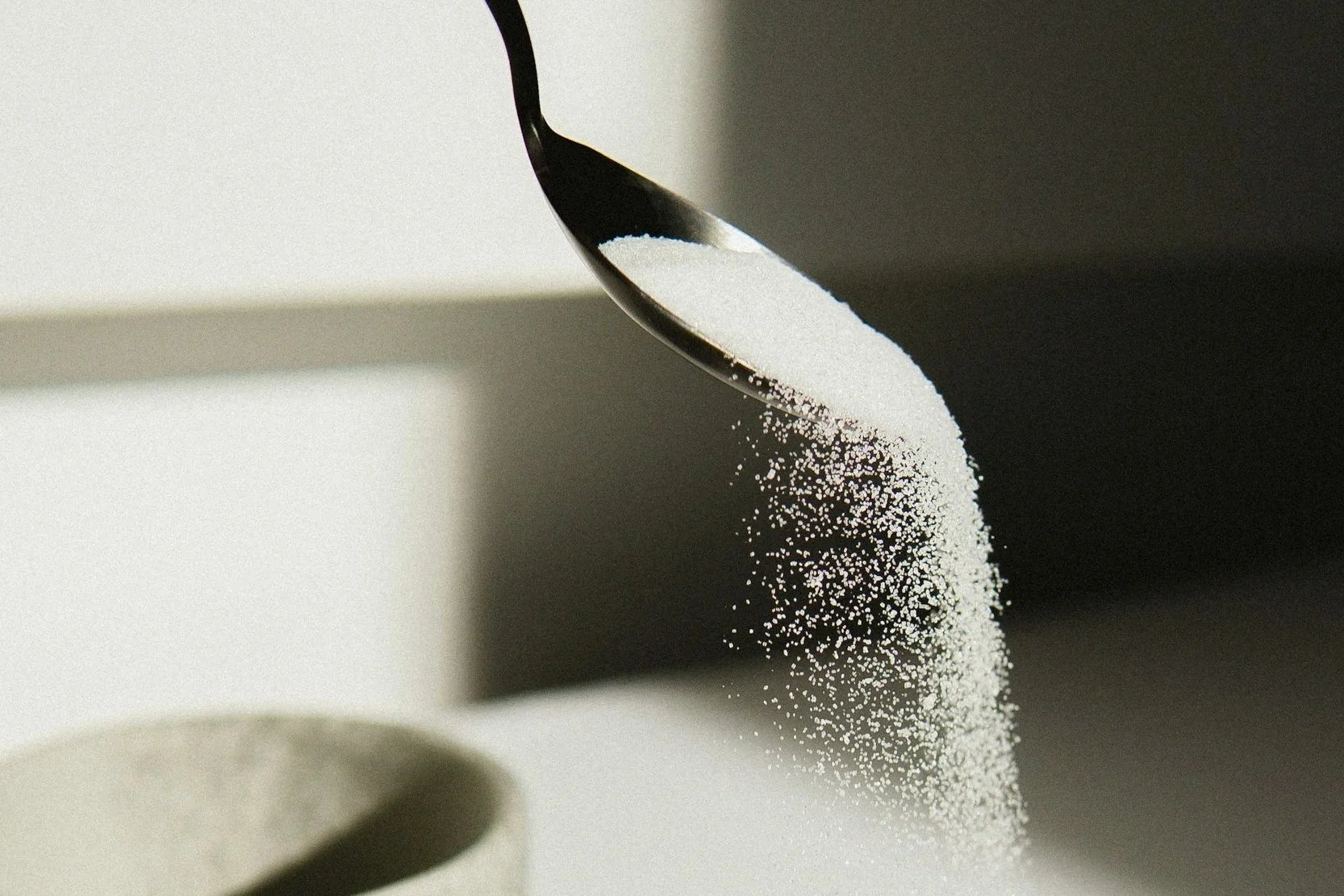
What are Sweeteners?
Non-nutritive sweeteners are substances used to sweeten food that provide minimal to no calories. Because they are significantly sweeter than regular sugar (sucrose), they can be used in much smaller doses. Common examples you may have heard of include Splenda, Saccharin, Sucralose, and Stevia.
The Weight Loss Equation: Debunking the Insulin Myth
A common argument against sweeteners is that they spike blood glucose, leading to elevated insulin levels, which, as a "storage hormone," cause you to store more fat and inhibit weight loss.
Let’s break this down:
1. Blood Glucose and Insulin.
The Research: Consistent research shows that NNS have a minimal to no effect on blood glucose and, consequently, do not cause an insulin spike. Sucralose is the only one with slightly more mixed research. However, the majority of studies still show minimal effects, often noting effects only in individuals who are not accustomed to regularly consuming sweetened beverages.
Insulin and Fat Storage: While high insulin levels stimulate fat storage (lipogenesis) and inhibit fat breakdown (lipolysis), this is an acute, short-term response that occurs directly after consuming sugar. In long-term, calorie-controlled studies, insulin spiking before a meal does not negatively affect a person's ability to lose weight.
The Real Concern: The keyword is "constantly." Years of overconsumption of highly processed foods, eating in a caloric surplus, and inactivity are what lead to consistently elevated blood glucose and insulin resistance, which make weight loss more challenging. The occasional, sporadic insulin spike will not "trash" your ability to lose weight.
2. Do Sweeteners Help Weight Loss?
The primary evidence supporting the use of sweeteners for weight management is straightforward:
Caloric Reduction: Simply swapping a high-sugar, calorie-dense beverage or food (like sugary yoghurt) for a low- or no-calorie sweetened alternative immediately reduces your total energy intake, which is the foundation of weight loss.
Glycemic Control: They provide better glycemic control than sugar.
Appetite and Cravings: For some individuals, consuming a sweetened food/drink can help manage food hunger and cravings, supporting body weight management.
3. The Evidence Against
There are valid counter-arguments that suggest a more nuanced approach is necessary:
Caloric Compensation: Some studies indicate that people compensate for the low-calorie alternative by eating other foods later, negating the caloric reduction benefit.
Gut Microbiome: There's an ongoing conversation about a metabolic effect, with some evidence suggesting that sweeteners can affect the gut microbiome, which could, in turn, affect how we metabolise food. This area is not yet fully understood.
Psychological Factors: For some, the sensation of sweetness on the tongue from NNS can make them more dependent or create a stronger overall desire for sweet food, doing the opposite of blunting cravings.
Health and Safety: Putting the Classification in Context
Are sweeteners healthy and safe?
As non-nutritive sweeteners, they contain no nutrients and offer zero net positive health outcomes. The only way they could be framed as "healthy" is if their use successfully pulls you away from consuming calorie-dense, high-sugar products.
Sweeteners were reclassified as Category 2B possible carcinogens in 2023. While this sounds terrifying, it is important to understand the context of this classification.
Context: This same Category 2B also includes things like aloe vera, certain herbal remedies, ginkgo bilboa, the use of your mobile phone, and pickled vegetables. The classification does not instantly mean you should be terrified.
Toxic Dose: As with almost any substance (including water and Omega-3 fatty acids), the dose makes the poison. Current safety standards are incredibly high. For example, in the UK and America, you would need to consume well over 24 cans of Diet Coke or Coke Zero per day to exceed the acceptable limits.
The Bottom Line
Sweeteners are tools that can be used safely and intelligently to support a reduction in total energy intake.
Smart Strategy: If swapping a high-sugar product for a sweetened alternative is a sensible way for you to reduce calories, it is a smart strategy.
A Balanced Diet is Key: Remember that NNS have no nutritional benefit. They should be part of a diet primarily composed of whole, minimally processed foods.
Personalisation: Recognise your own response. If you find that consuming sweetened products increases your overall sweet cravings, it may not be a great long-term solution for you.
Don't Stress: You don't need to micromanage your diet or eliminate all sweeteners. The products are safe to use, and most people will not exceed the safety dosage.
Like this post? There’s more where that came from