Do You Need to Be Obsessed to Get in Great Shape?
Someone recently suggested that you have to be “obsessed” to be in shape, and it’s a statement that deserves a closer look. While the idea of being in "great shape" is subjective, most people who start exercising aim for two things: losing fat and gaining muscle.
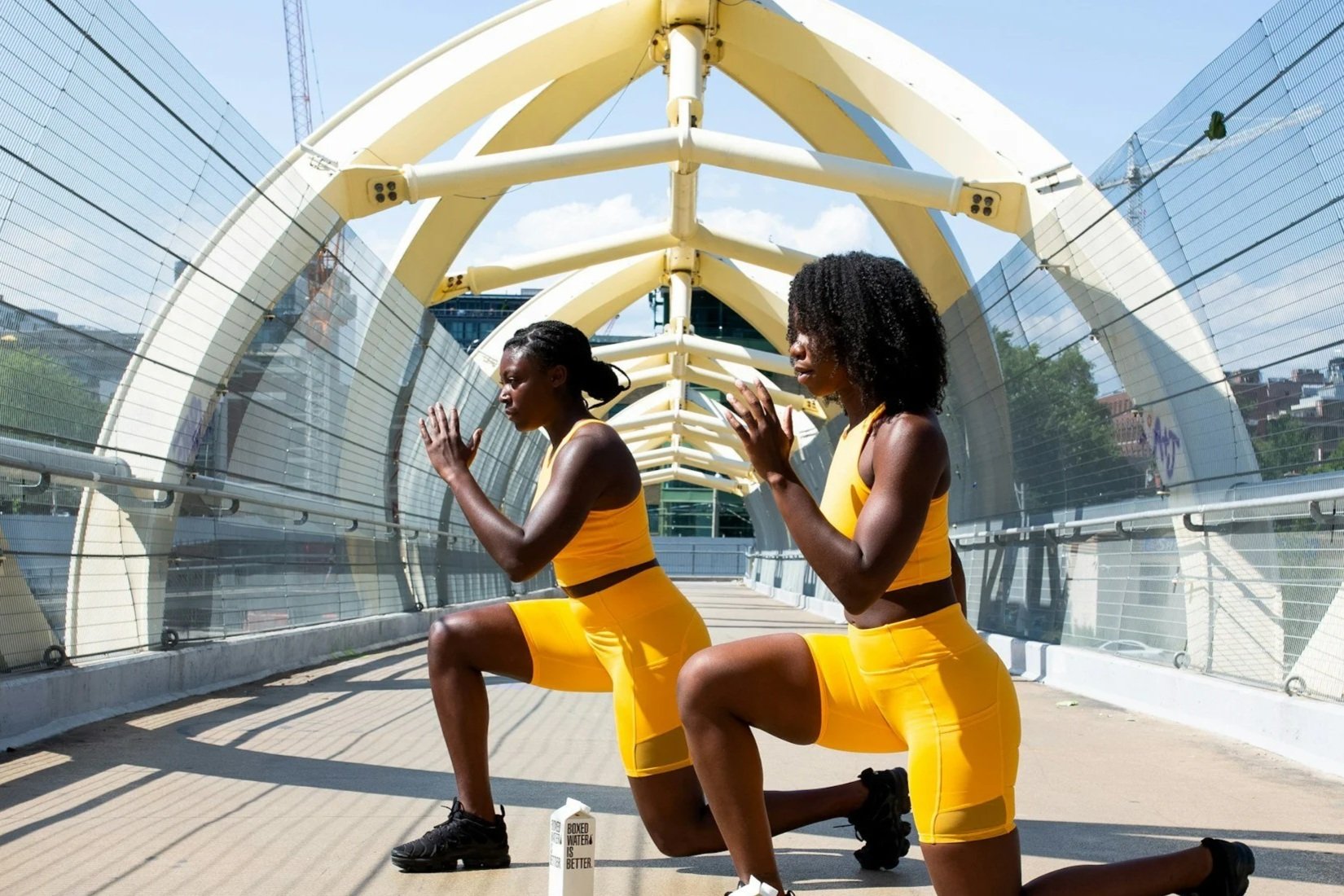
Before diving into the core question, let’s first define what the physical attributes of "great shape" generally include:
Body Composition: A healthy ratio of fat mass to muscle tissue.
Strength: A high level of strength across all major muscle groups.
Endurance: A good level of cardiovascular fitness.
Flexibility and Mobility: Good joint flexibility and muscular elasticity.
You might assume the only requirements to excel at these points are effort and time. While true, this overlooks the fact that the playing field is far from level.
Here are five key factors to consider that determine your personal journey and results:
1. Your Starting Point
Where you begin makes a significant difference. If you have a substantial amount of body fat to lose, your initial journey will be very different from someone with a naturally skinny frame trying to gain muscle for bodybuilding.
As fitness educator Charles Poliquin once advised, "The best piece of advice I can give someone is never to gain a significant amount of fat mass." If you're in a caloric deficit to lose weight, you’re not fueling performance, which makes the journey to "great shape" much harder than for someone who already has a solid baseline.
This also relates to the loss of muscle tissue during dieting. Recent research, such as Ozempic trials, has shown that some weight-loss methods can lead to an unacceptable muscle-to-fat loss ratio (sometimes 3:1), which is problematic for long-term health and fitness goals.
2. Genetics: The Fitness Industry's Dirty Secret
Genetics play a huge, and often understated, role in fitness success, potentially alongside performance-enhancing drugs.
Muscle Gain: Some people gain muscle five times faster than others, even on the same training protocol. Research on novices in a 12-week resistance training intervention showed that the slowest responders gained as little as 0.23kg of muscle per month, while the fastest gained up to 1.36kg per month. This means some individuals need to work five times as long or harder to achieve the same results.
Physicality: This extends to other attributes as well:
Flexibility: Genetics influence flexibility, which is why hypermobile people are often drawn to and excel at yoga and similar practices—they are naturally good at it from an early age, making them more likely to stick with it.
Sporting Predisposition: Sprinters are genetically predisposed to power with a higher amount of fast-twitch (Type 2) muscle fibres and higher baseline testosterone. Endurance runners are better fat-adapted, with a higher proportion of slow-twitch (Type 1) fibres.
Fat Loss: Genetic factors that impact fat loss include:
Basal Metabolic Rate (BMR): Two people of the same weight can have very different resting BMRs.
Appetite Regulation: Some individuals experience hyper-hunger from exercise more than others.
Fat Storage and Distribution: Men typically store fat around the midsection, while women are more likely to store it in the lower body and hips.
Insulin Sensitivity and Fat Oxidation: These vary between individuals and sexes, influencing how effectively the body uses fat as fuel.
3. Early Exposure and Ageing
The age at which you're exposed to these lifestyle factors is critical. While the metabolic rate doesn't slow down as much as most people think (and much of the reduction is reversible muscle loss), ageing brings increased responsibilities: family, career ladder, longer commutes, accumulation of pain or injury, and poorer sleep. The earlier you get good lifestyle habits in place, the better set up you are for success.
4. Lifestyle: The Fabric of Who You Are
Fitness is a journey and a lifestyle. It’s not something you can just pick up and put down. The core pillars—nutrition, staying active, hydration, sleep, and stress management—need to become the fabric of who you are. This doesn't mean being perfect 100% of the time, but rather having these elements in place the majority of the time (e.g., being "pretty good 80% of the time").
5. Education
The fitness world is full of nuance and differing opinions. Without a solid education and belief in certain principles, people are more likely to bounce from one camp (e.g., plant-based yoga enthusiast) to another (e.g., dialled-in bodybuilder), which can be detrimental to consistency. Having a clear understanding of the principles you follow is key to sticking to a long-term plan.
The Answer to Obsession
So, do you have to be obsessed to be in great shape?
No, you really don’t. You don't have to have every single thing "dialled in" to reach a high level of fitness.
For some, however, a period of passion—which can look like "obsession" at first—might be what they need to succeed. They might go "all in" on a program like CrossFit or Hyrox, logging every workout, getting the gear, and surrounding themselves with like-minded people. This intensity helps them fall in love with the process and establish those foundational habits.
For others, a more balanced, moderate approach works just as well. But this moderation is often layered on top of a privileged starting point:
An early start point in life.
Favourable genetics.
Well-established lifestyle habits.
A solid education on the topics.
Ultimately, we all come to fitness from different starting points and follow different paths. While "everything in moderation" is a great end goal for most, it can be terrible advice for someone at the beginning of their journey. What matters is finding an element of falling in love with the process—you have to enjoy eating healthy and exercising for the benefits and how it makes you feel, not just as a means to a weight-loss end.
Like this post? There’s more where that came from